In 1536, Giles Heron sat as foreman of the Grand Jury that formally indicted Anne Boleyn for treason, sealing her fate. He was Thomas More’s son-in-law, an Esquire of the King’s own bodyguard, a Member of Parliament for Thetford. He had survived his father-in-law’s execution. He had made himself useful to the Crown. He thought he was safe.
The Horror
He was not. A tenant named Lyons — evicted from his farm by Heron in a routine property dispute — went to Thomas Cromwell and accused Heron of treason. No physical evidence was produced. No conspiracy was proven. Lyons’ word alone was enough.
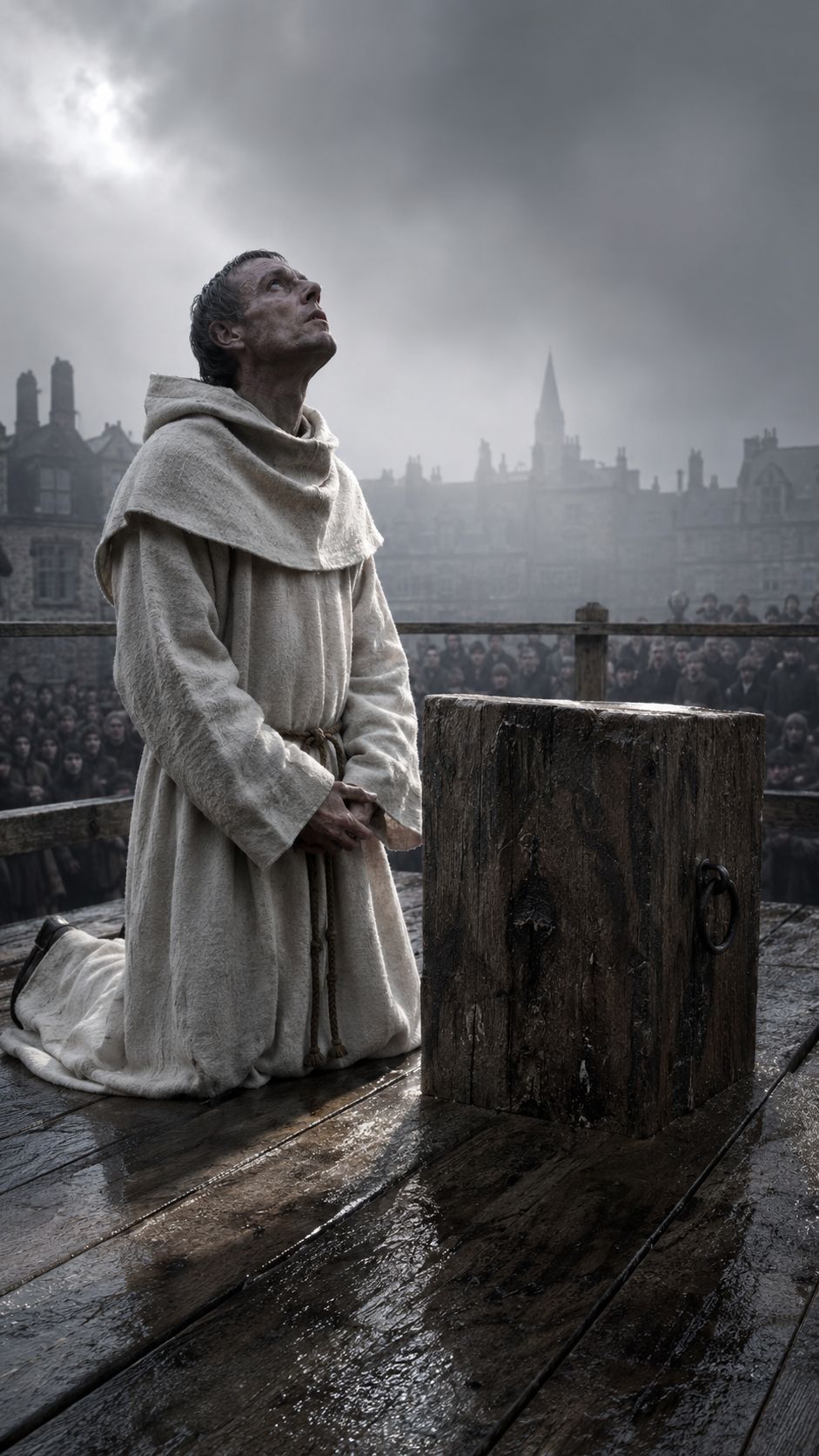
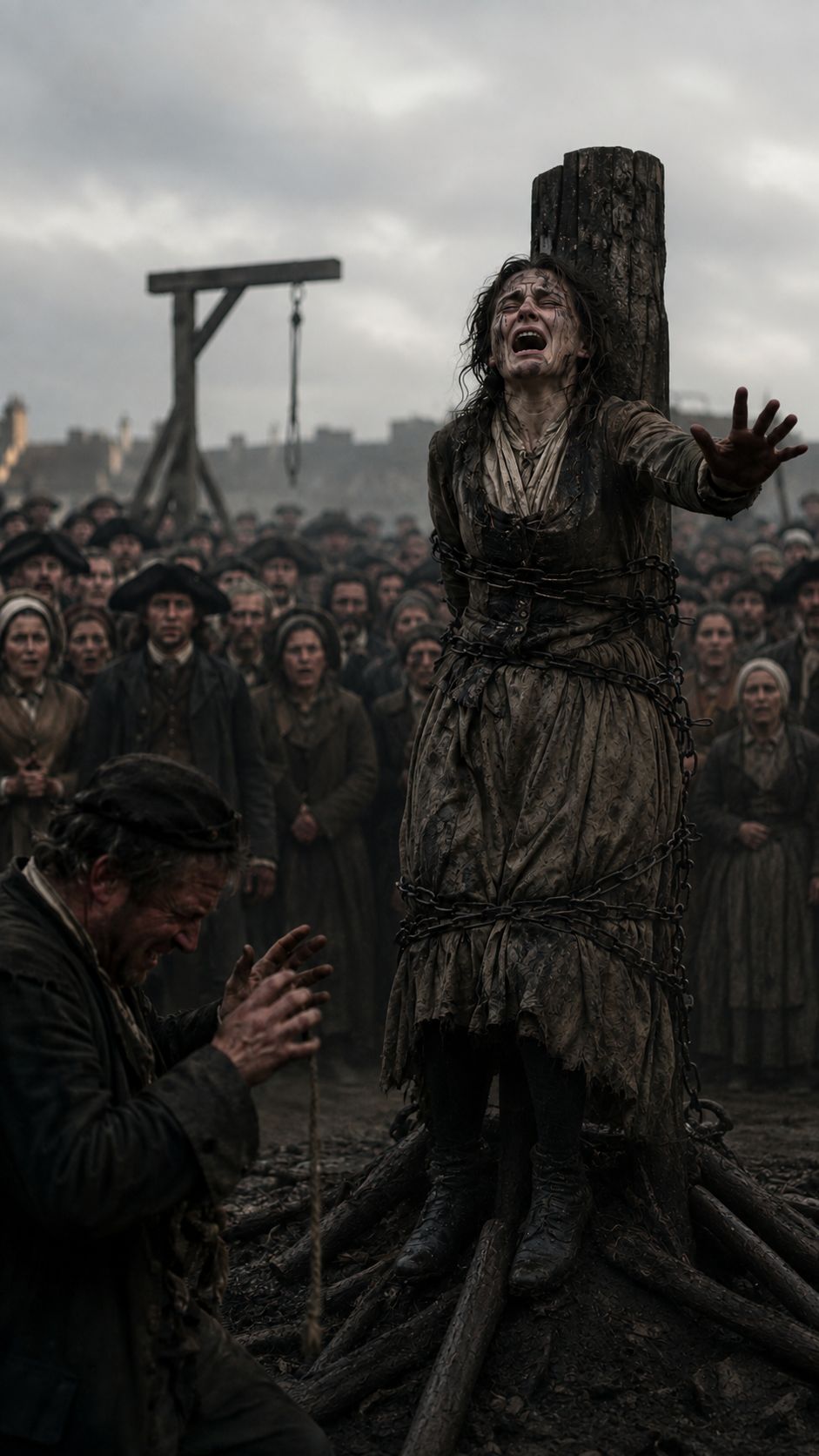
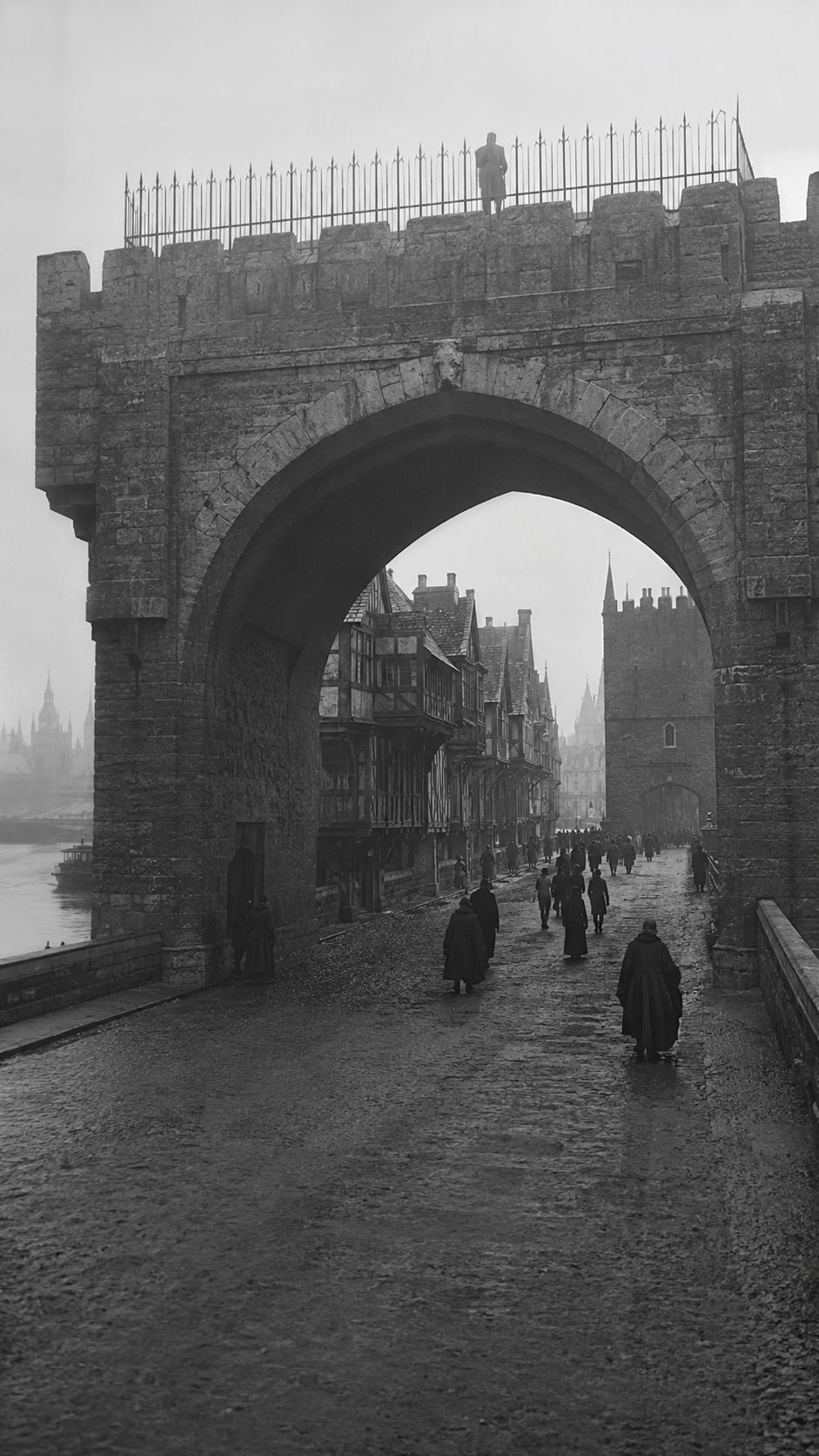
Heron was attainted by Parliament in May 1540 and condemned to death. On August 4, 1540, he was dragged from the Tower to Tyburn on a hurdle through the London streets and hanged, drawn, and quartered alongside four others. The man who had delivered Anne Boleyn to the block was dismantled on the same ground where London’s common criminals died.
The Modern Relic
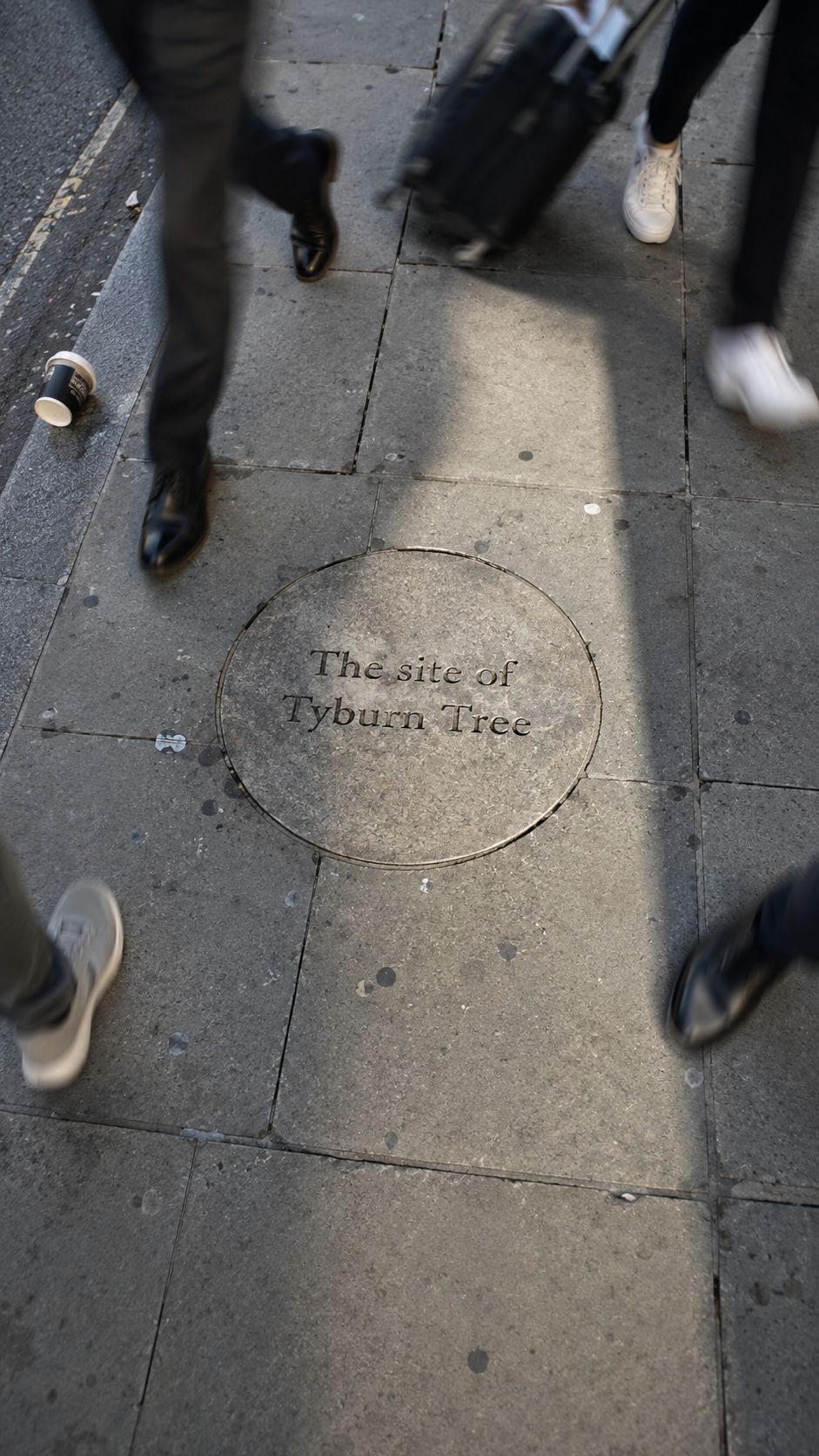
A small stone plaque set into a traffic island near Marble Arch marks the site of the Tyburn Tree — now surrounded by the noise of Oxford Street. That’s where Giles Heron ended. The man who helped Henry VIII destroy one queen, destroyed in turn by a farmer with a grudge and a well-placed word to Cromwell.